The China-Pakistan import market is shifting and if you’re bringing in goods in bulk, the way you source, purchase, and ship is changing whether you’re paying attention or not.
The importers who are winning right now aren’t necessarily the ones spending the most. They are the ones who’ve picked up on what’s different this year and adjusted accordingly. Here’s what’s actually changing in 2026 and what it means for your next shipment.
1. Bulk importers are getting serious about supplier verification
Ordering in volume from the wrong supplier is an expensive lesson. In 2026, serious Pakistani importers, whether they’re stocking a warehouse or fulfilling bulk online orders, are verifying suppliers properly before placing large orders.
That means checking:
- Product samples before committing to a full order
- Factory credibility and production capacity
- Exact specifications, MOQ, and pricing in writing
- Quality standards before anything leaves China
A bad bulk order doesn’t just cost money. It costs time, reputation, and the season you were counting on.
2. Landed cost is now the real number that matters
A competitive factory price looks great until you add freight, customs duties, port handling, and clearance charges. In 2026, the importers making real margins are the ones calculating total landed cost before placing an order, not after the shipment arrives.
If your current process starts with the supplier’s price and ends there, you’re making purchasing decisions with incomplete information. The number that matters is what the product costs you in your warehouse in Pakistan, everything else is just part of getting there.
3. Sourcing and logistics are being treated as one decision
For a long time, Pakistani importers separated these two things, found the product, and then figured out shipping. That approach is getting more expensive and more complicated.
In 2026, smart bulk importers are treating sourcing and logistics as one connected decision. The size of your order affects freight costs. Your product specs affect shipping requirements. Your supplier location affects transit time. When these decisions are made together instead of separately, the whole import process gets cleaner and cheaper.
4. Chinese EVES are opening up a new import category
Electric vehicles from China have seen explosive growth in Pakistan this year and with that comes a wave of related import opportunities. EV accessories, charging equipment, components, and related products are emerging as a genuinely new bulk import category for Pakistani businesses.
For wholesalers and distributors who move quickly on emerging categories, this is worth watching closely. The market is early, competition is still limited, and Chinese manufacturers are producing at scale.
5. Quality inspection before shipment is now a business standard
The days of ordering bulk and hoping for the best are over. Pakistani buyers, both retail and wholesale have higher expectations now, and returns or quality complaints on bulk orders are painful to absorb.
Importers who are serious about protecting their margins are arranging quality inspections in China before their goods ship. Catching a problem at the factory is manageable. Catching it after a 40-foot container clears customs in Karachi is a different situation entirely.
6. Social commerce is now driving bulk demand
Pakistani online sellers moving volume on Daraz, Facebook, and TikTok shops are placing larger and more frequent China orders than before. The categories change fast, what’s trending this month may not be trending next month and the sellers who stay ahead are the ones who read demand early and order in bulk before the wave peaks.
For bulk importers supplying these sellers, understanding what’s moving online is becoming as important as knowing what’s in demand at the wholesale market.
7. Documentation and customs compliance are non-negotiable in 2026
Pakistan’s import regulations have tightened. Incorrect documentation, missing product certifications, or non-compliant goods are causing delays and rejections at port and on bulk shipments, that’s a serious financial hit.
In 2026, getting your paperwork right before the shipment leaves China isn’t just good practice, it’s the difference between a smooth clearance and a costly delay. Importers who work with partners like Connect Courier who understand the documentation requirements from the start are avoiding problems that others are still walking into.
One partner for the whole process
Every trend on this list points to the same conclusion, bulk importing from China requires proper coordination across sourcing, purchasing, quality inspection, shipping, and customs clearance. Managing each of these separately leaves gaps, and gaps in a bulk import process cost money.
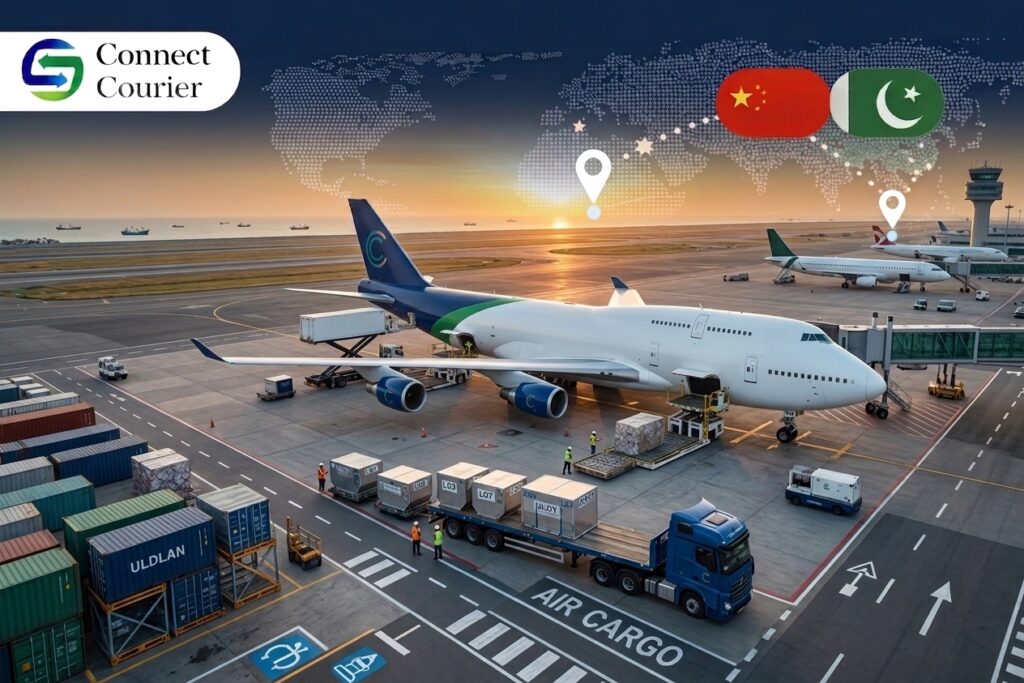
Connect Courier handles the full China-to-Pakistan import process for bulk importers, from supplier coordination and purchasing to shipment handling and delivery in Karachi Port. Whether you’re sourcing consumer goods, appliances, industrial products, or anything in between, we keep the process clean and on schedule. Start Your China to Pakistan Import with Connect Courier.