If you’ve been importing from China for a while, you already know the drill: the goods aren’t the hard part, the route is. Customs delays, unpredictable transit times, congested ports, the usual headaches that eat into your margins and your patience. That’s starting to shift.
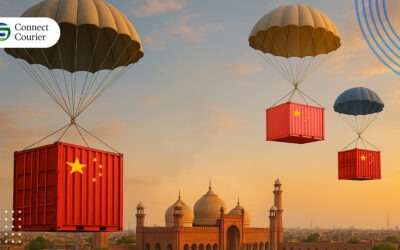
This past May, China and Pakistan marked 75 years of diplomatic ties, and the two countries have used the milestone to push real money and real planning into the corridor connecting them. This isn’t another round of announcements that go nowhere. Contracts are signed, construction is moving, and importers who pay attention now will be ahead of the ones who find out later.
What’s actually moving?
A few developments are worth knowing about:
- ML-1 railway upgrade — Pakistan’s main Karachi-to-Peshawar rail line is being modernized, which means faster, more reliable freight movement from the port inland instead of everything piling onto the highways.
- Karakoram Highway realignment — Upgrades to the KKH and the Khunjerab Pass are aimed at making the overland route smoother and less prone to the seasonal closures that have frustrated traders for years.
- Gwadar Port expansion — Both governments have agreed to push Gwadar toward becoming a genuine regional trade hub, not just a project on paper.
- A new joint logistics consortium — Pakistan and China have set up a business logistics partnership specifically to tighten up long-term freight and supply chain coordination between the two countries.
Put together, these changes point toward one thing: lower friction, fewer delays, and a supply chain that’s easier to plan around.
Who Stands to Benefit
This isn’t only for the big players. Importers dealing in electronics, machinery parts, textiles, plastics, home goods, and construction materials are the ones most likely to feel the difference first, since these are the categories that move in the highest volume through Karachi. If you’re sourcing regularly rather than placing one-off orders, more predictable transit times directly translate into better inventory planning and fewer stockouts.
Before you adjust your supply chain, it’s worth checking a few things: your supplier’s actual shipping capabilities (not just what they promise), realistic customs clearance timelines at your port of entry, and whether your current freight partner is actually set up to handle Hong Kong or mainland China sourcing efficiently, or just says they are.
Where Connect Courier Comes In
Better infrastructure only helps if the company moving your cargo knows how to use it. Connect Courier handles China and Hong Kong sourcing with air cargo services built specifically for Pakistani importers, so you’re not left guessing about timelines or getting stuck in customs limbo.
If you’re planning to import from China to Pakistan or want to rethink how your current shipments are moving, explore Connect Courier’s China-to-Karachi import service and get a clear answer on what your supply chain could look like this year.
Sources:
ML-1 railway upgrade & Karakoram Highway realignment (route pushed forward, 1,733 km Karachi–Peshawar figure)
Gwadar Port expansion & May 2026 “new broad consensus” (Xi–Shehbaz meeting, KKH and Khunjerab Pass upgrades)
Joint business logistics consortium (October 2025, tied to ML-1)
Pakistan inviting Chinese investment in ports and logistics (July 2026, maritime minister’s statement)