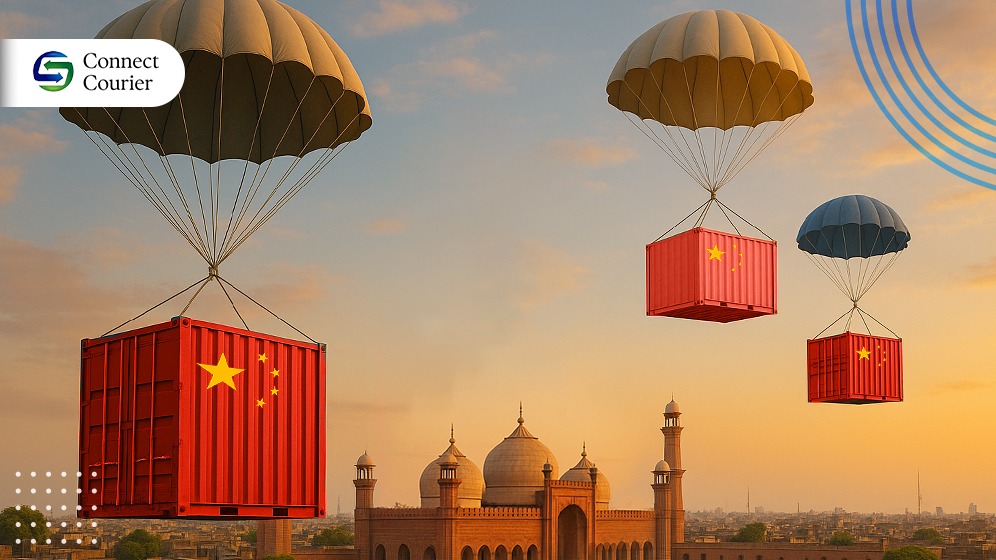
In 2026, importing from China to Pakistan continues to evolve. Customs procedures are increasingly digital, tariff structures have been revised, and businesses need to stay updated on the latest import requirements. If you’re a business owner or reseller eyeing Chinese products, it’s crucial to stay informed. The trade landscape has evolved. Let’s walk through exactly what’s changed and how you can master shipping from China to Pakistan with confidence and clarity.
China to Pakistan: A Trade Relationship That’s Growing
The trade bond between China and Pakistan is stronger than ever. This is because of China-Pakistan Economic Corridor (CPEC), smoother trade routes and infrastructure have opened new doors for importers. In 2026, importing from China to Pakistan remains an important sourcing option for businesses looking to manage product costs and expand their supply chains.
Whether you’re importing electronics, machinery, fashion items, or raw materials, China remains the go-to source for cost-effective, quality goods. But how you import from China to Lahore, or to other cities like Islamabad and karachi, has seen some critical changes this year.
To make the process smoother and avoid costly mistakes, check out this guide on China to Pakistan shipping pitfalls, it shares practical tips that can save both time and money.
What’s New in 2025?
1. More Digital Import Processing
Pakistan’s import process has continued moving towards integrated digital processing through the Pakistan Single Window (PSW). Importers and customs agents can use PSW to submit declarations, upload documents, manage regulatory requirements and track processing. WeBOC remains part of the Customs Management System, while PSW provides the broader interface for cross-border trade services.
2. Better Digital Visibility
Digital trade systems now give importers greater visibility into declarations, documents and regulatory processing. PSW also allows traders and customs agents to view the status of actions taken during the import process.
3. Improved Sea and Air Freight Options
Shipping lines and air cargo routes between China and Pakistan have expanded. Major Chinese ports like Shenzhen, Ningbo, and Guangzhou now offer faster sailings to Karachi, followed by inland logistics to Lahore and Islamabad. Flight cargo routes from Hong Kong and mainland China to Lahore airport have also increased, reducing air freight costs and lead times.
4. Updated Customs Tariffs
Pakistan’s customs tariff has been updated for FY 2026–27, with changes to customs duty, additional customs duty and regulatory duty across various tariff lines. The applicable amount depends on the product’s HS code and the relevant tariff schedule, so importers should verify the current rate before placing an order.
5. Product-Specific Compliance Checks
Importers should check whether their products are subject to pre-shipment inspection, regulatory approvals or other compliance requirements before shipping. Pakistan’s Import Policy Order and related SROs continue to be amended, so requirements can vary by product.
6. More Digital Trade Payments
Pakistan’s digital trade infrastructure has also expanded, with PSW supporting electronic payments and integration with commercial banks as part of the wider import process. Importers should still agree secure and documented payment terms with their suppliers before confirming an order.
Costs in 2026: What You Should Expect
The total cost of importing from China depends on the product, shipment weight or volume, freight method, HS code, customs duties, taxes and applicable regulatory requirements. Customs duties should be checked against the current 2026–27 tariff before calculating the landed cost. Import taxes and duties in Pakistan remain based on HS codes, but customs valuation processes are more refined reducing arbitrary delays.
Pro tip: Always consult updated customs duty rates and ensure your supplier includes all documentation (invoice, packing list, COO).
Sourcing Tips for Importers
- Verify Suppliers: Always use verified platforms or conduct audits through third-party services in China.
- Negotiate Incoterms: Understand if your quote includes DDP (Delivered Duty Paid) or FOB (Free on Board). It affects your total cost.
- Plan Inventory: Delays can still happen around Chinese New Year, peak shipping periods or customs processing, so plan inventory and shipment timelines with sufficient buffer.
Whether you’re sourcing mobile accessories or gym wear, a little preparation can save you a lot of cost and headache.
Importing to Islamabad? Here’s What’s Different
Import from China to Islamabad has its own dynamics and additional planning for final-mile delivery and customs handling, particularly for time-sensitive commercial shipments. Choosing an experienced logistics partner can help coordinate the shipment and clearance process more efficiently.
Why Choose Connect Courier for Import from China to Pakistan?
Connect Courier specialises in air cargo imports from China to Lahore, Islamabad, Karachi and other locations across Pakistan. Our services include:
✅ Door-to-Door Delivery – No hassle, just smooth shipments.
✅ Competitive Rates – Save on air freight costs.
✅ Customs Expertise – Avoid delays with our efficient clearance support.
✅ Real-Time Tracking – Know your shipment’s status anytime.
Whether you’re importing electronics, textiles, or machinery, we ensure fast, secure, and cost-effective shipping.
Ready to simplify your imports?
Get a Free Quote Now